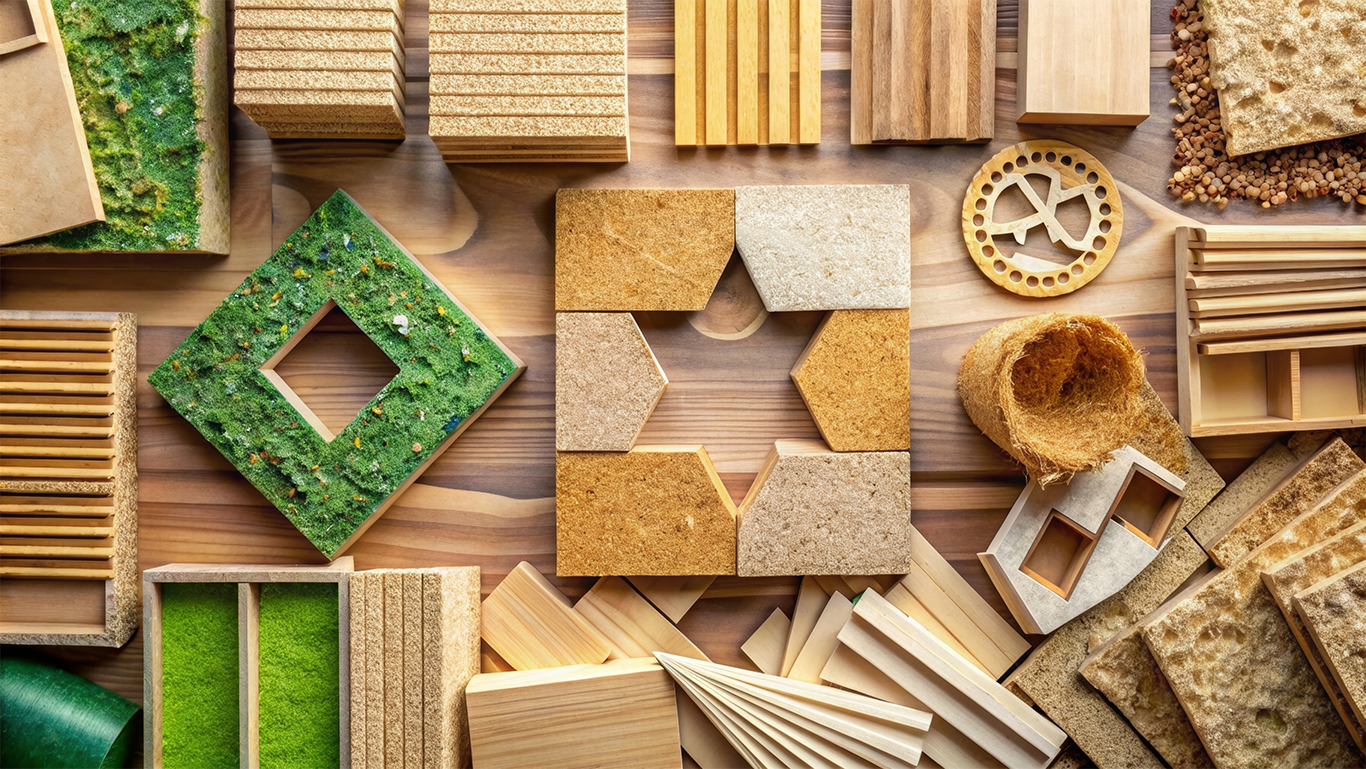
The Long-Term Savings of Investing in Durable Materials
Investing in durable materials offers significant long-term savings that often outweigh the initial costs. While durable materials may have a higher upfront price compared to their less resilient counterparts, their longevity and performance can lead to reduced maintenance and replacement expenses. For instance, a building constructed with high-quality materials like steel or concrete can last decades longer than one made from cheaper alternatives, resulting in lower overall expenditures over time. Furthermore, durable materials can withstand environmental factors, reducing the frequency and cost of repairs required due to wear and tear.
Moreover, using durable materials can also contribute to energy efficiency, which further enhances long-term savings. Insulation, windows, and roofing made from superior materials can significantly decrease heating and cooling costs, preserving energy and, in turn, saving money. Homeowners and businesses alike benefit from lower utility bills and potential tax incentives for using sustainable and durable materials. By factoring in these elements, the investment in high-quality materials is not merely an expense but a strategic decision that leads to substantial long-term financial benefits.
Counter-Strike is a popular first-person shooter (FPS) game franchise that focuses on team-based gameplay. Players can choose to be part of either the terrorist or counter-terrorist team, engaging in various objectives such as bomb defusal or hostage rescue. If you're also interested in gaming accessories, check out the Top 10 MagSafe Wallets with Finger Loops for a stylish way to carry your essentials while gaming.
How to Choose Durable Materials for Your Home: A Comprehensive Guide
Choosing durable materials for your home is essential to ensure longevity and maintain aesthetic appeal. When selecting materials, consider factors such as weather resistance, maintenance requirements, and overall cost. Start by evaluating materials based on their strength and durability ratings, which can often be found in product specifications. For example, options like fiberglass siding or composite decking provide excellent resistance to the elements, requiring less upkeep over time.
Additionally, it's important to focus on sustainability when selecting durable materials. Opt for products made from recycled or renewable resources to reduce your environmental footprint while enhancing the durability of your home. Consider creating a list of your top priorities, such as energy efficiency or aesthetic appeal, and weigh the pros and cons of each material. This structured approach will help you make informed decisions that align with your home improvement goals.
Are Cheap Alternatives Worth the Risk? Understanding the Value of Quality Materials
In today's consumer-driven market, the lure of cheap alternatives can be irresistible. However, are cheap alternatives worth the risk? Often, these budget-friendly options come with hidden costs that can lead to disappointment. For instance, when purchasing electronics or clothing made from inferior materials, buyers may find themselves needing to replace these items much sooner than anticipated. A study revealed that investing in quality products can actually save money in the long run, as they tend to last longer and perform better. As such, it’s essential to weigh the initial savings against the potential need for replacements.
When considering whether to opt for a cheaper option, it's crucial to understand the value of quality materials. Quality items not only enhance durability but also improve the user experience. For example, a well-constructed piece of furniture not only offers better aesthetic appeal but also withstands the test of time. Consumers should also consider the environmental impact of their purchases; poorly made goods often contribute to waste and increased carbon footprint. In conclusion, while the allure of lower prices is strong, the long-term benefits of investing in quality materials can significantly outweigh the short-term financial savings.