5 Essential Tips for Improving Your Home's Air Quality
Improving your home's air quality is crucial for maintaining a healthy living environment. Here are 5 essential tips to enhance the air you breathe:
- Regularly Change Air Filters: One of the simplest ways to improve air quality is by replacing HVAC air filters every 1 to 3 months. Clogged filters can trap dust, pollen, and other pollutants, making them less effective.
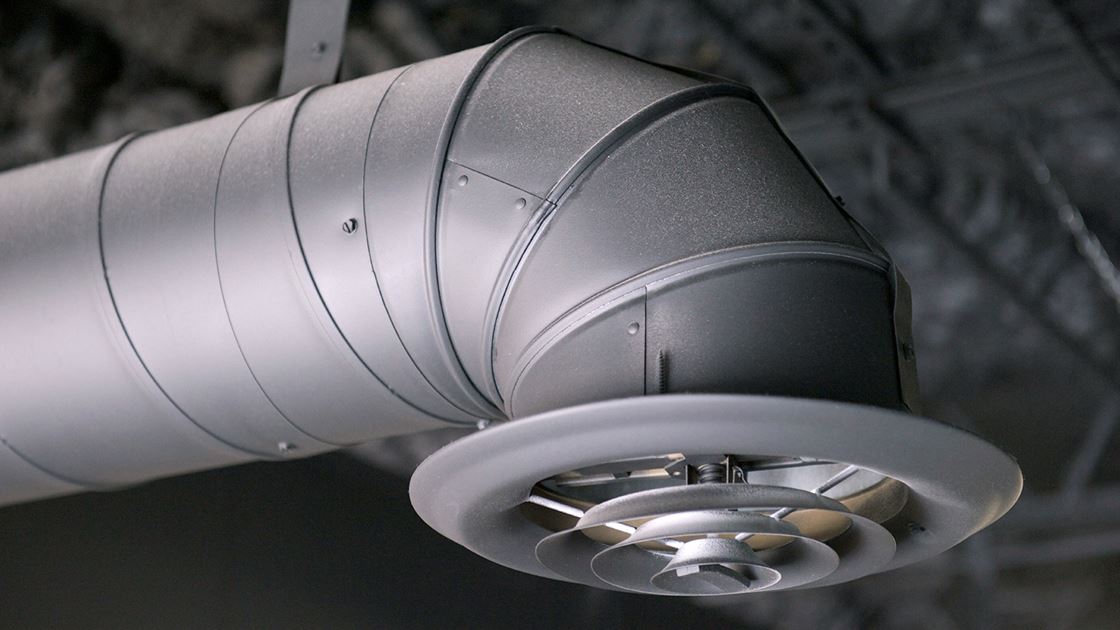
- Ventilate Your Home: Ensuring proper ventilation helps to circulate fresh air throughout your home. Open windows when weather permits, or use exhaust fans in kitchens and bathrooms to remove contaminants.
Reduce Indoor Pollutants: Limit the use of chemicals in household cleaning products and opt for natural alternatives. Additionally, avoid smoking indoors, as tobacco smoke significantly deteriorates air quality.
- Invest in Indoor Plants: Certain plants, like spider plants and peace lilies, can help purify the air by absorbing toxins and releasing oxygen.
- Monitor Humidity Levels: Keep humidity levels between 30% and 50% to prevent mold growth and dust mites, which thrive in damp conditions. A dehumidifier can be beneficial for homes in humid climates.
Counter-Strike is a highly popular tactical first-person shooter game that has captivated millions of players worldwide. With its focus on team-based gameplay and strategy, it has become a staple in the esports community. Players often look for ways to enhance their gaming experience, such as investing in the Top 10 Laptop Accessories to Prevent Overheating to ensure their systems run smoothly during intense matches.
How Proper Ventilation Can Enhance Your Indoor Comfort
Proper ventilation is essential for maintaining a comfortable indoor environment. When fresh air circulates throughout your living spaces, it helps to regulate humidity levels and reduce the buildup of indoor pollutants. This can significantly enhance your overall comfort and health. Proper ventilation not only promotes better air quality but also helps to eliminate stale odors and prevent issues such as mold growth. In fact, homes with inadequate ventilation can become breeding grounds for allergens and irritants, making proper ventilation a crucial aspect of indoor living.
Additionally, effective ventilation systems can help to balance temperature differences throughout your home. By ensuring that warm air is effectively circulated in colder months and cooled air is maintained during summer, proper ventilation contributes to energy efficiency. This balanced airflow can allow homeowners to enjoy a consistent level of comfort without relying heavily on heating or cooling systems. Investing in a well-designed ventilation system is not only beneficial for comfort but can also lead to lower energy bills and a healthier living environment.
Breathe Easy: What You Need to Know About Home Ventilation Systems
In today's world, home ventilation systems play a crucial role in maintaining a healthy indoor environment. Proper ventilation helps to control humidity, remove indoor pollutants, and ensure a steady influx of fresh air. Whether you're considering a whole-house ventilation system or localized options like exhaust fans, understanding the different types can significantly impact your home's air quality. Balanced ventilation systems, for example, offer the advantage of introducing fresh air while expelling stale air, creating a comfortable living space that promotes better health.
When selecting a home ventilation system, it’s essential to consider factors such as your home's size, design, and climate. Heat Recovery Ventilators (HRVs) and Energy Recovery Ventilators (ERVs) are popular choices that not only ventilate but also conserve energy by transferring heat between incoming and outgoing air. According to the EPA, maintaining good indoor air quality can reduce the risk of respiratory issues and enhance overall well-being. By investing in a suitable ventilation system, you can breathe easy knowing that you're improving your home's air quality and protecting your family's health.