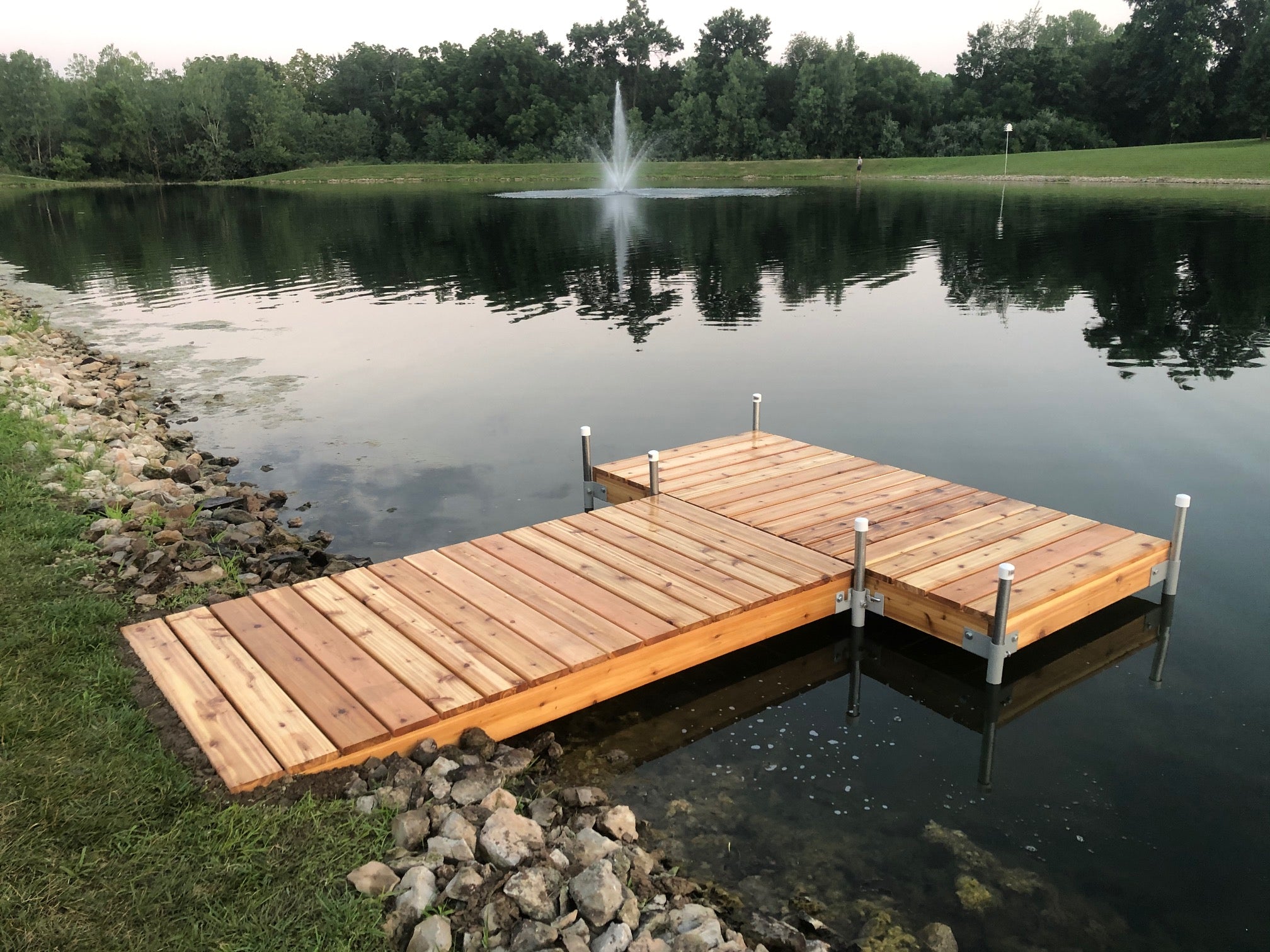
The Essential Guide to Docks: Types, Uses, and Benefits
Docks are essential structures in maritime environments, serving various purposes for boats, ships, and other watercraft. There are several types of docks, each designed to cater to specific needs. The most common types include:
- Floating Docks: Ideal for areas with fluctuating water levels, these docks are buoyant and can adjust with the tide.
- Fixed Docks: Built from concrete or wood, fixed docks offer stability and are often used in areas with little tidal change.
- Lift Docks: These docks use hydraulic or mechanical systems to raise and lower boats, making it easy to maintain and store vessels.
The uses and benefits of docks are vast. They provide safe berthing for vessels, allowing for easier boarding and disembarking. Docks also facilitate loading and unloading of goods, enhancing operational efficiency for commercial maritime activities. Additionally, they contribute to recreational activities, providing access for recreational boats, fishing expeditions, and swimming. Ultimately, investing in the right type of dock can significantly enhance both functionality and aesthetic appeal in waterfront properties.
Counter-Strike is a popular team-based first-person shooter (FPS) game that has been a staple in the esports community for many years. Players can choose to play as terrorists or counter-terrorists in various game modes, competing to complete objectives or eliminate the opposing team. For those looking to enhance their gaming experience, check out the Top 10 macbook docks that can provide better connectivity and performance while gaming.
Exploring the Beauty of Waterfront Docks: A Photographer's Paradise
Waterfront docks are not just functional structures; they are photographer's paradises teeming with vibrant life and breathtaking scenic views. As the sun begins to rise, the world awakens in a kaleidoscope of colors reflected on the water's surface. Photographers are often drawn to capture the interplay of light and shadow against the backdrop of boats bobbing gently with the tide. Whether it’s the serene shift of morning mist or the vibrant hues of sunset, waterfront docks present a canvas that evolves throughout the day, offering countless opportunities for stunning compositions.
Moreover, the beauty of waterfront docks extends beyond just the picturesque landscapes. The lively atmosphere, with fishermen casting their lines, families enjoying leisure time, and birds gliding overhead, adds a dynamic element to any photograph. Here are a few tips for capturing the essence of these charming locations:
- Consider the golden hour for the best lighting.
- Experiment with different angles to showcase both the dock and its surroundings.
- Incorporate human elements to add a story to your visuals.
With these insights, photographers can fully embrace the scenic and dynamic charms that waterfront docks have to offer.
What to Consider When Building a Dock: Tips for Homeowners
Building a dock is an exciting project that can enhance the functionality and aesthetic appeal of your waterfront property. Before diving into the construction phase, it's crucial to consider several factors that can affect the overall success of your dock. Location is perhaps the most important aspect; assess how water levels fluctuate and ensure compliance with local regulations. Additionally, think about the purpose of your dock—will it be used for boating, fishing, or simply enjoying the view? Understanding these elements will guide your design choices and materials.
Another vital consideration is the materials you choose for constructing your dock. Options range from wood to aluminum, each with its pros and cons in terms of durability and maintenance. For instance, while untreated wood can beautify the dock, it requires regular maintenance to prevent rot and decay. You should also factor in environmental impact; check if the area is prone to erosion and consider choosing sustainable materials that won’t harm the ecosystem. Prioritizing these tips will ensure that your dock not only meets your needs but also adds value to your property.