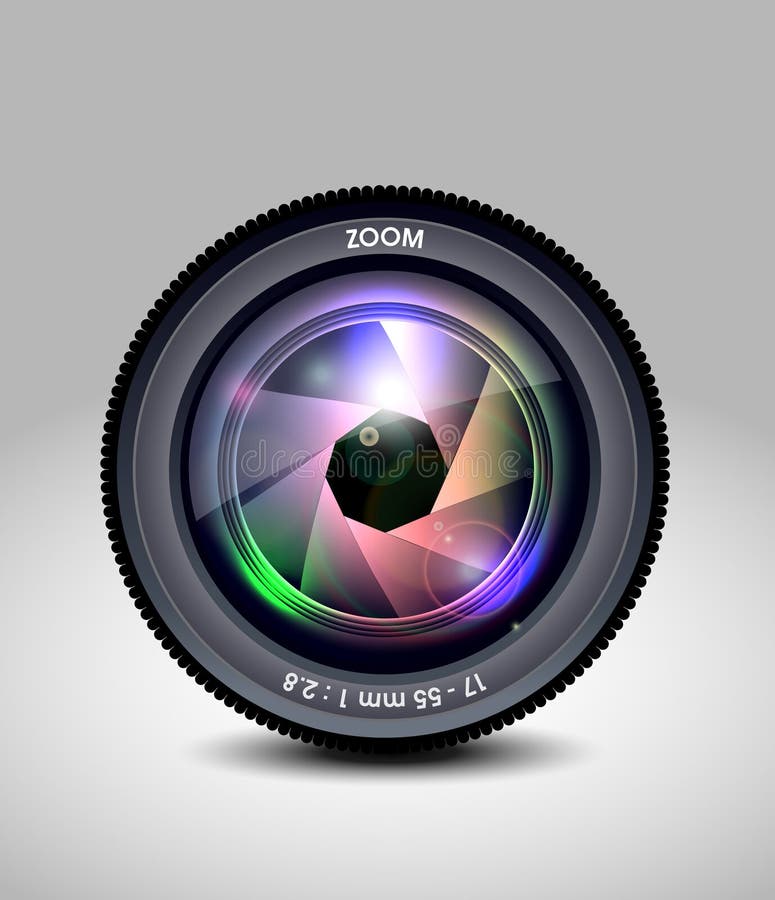
Understanding the Impact of Different Camera Lenses on Your Photography
When it comes to photography, choosing the right camera lens can significantly influence the quality and style of your images. Different types of lenses—such as wide-angle, telephoto, and prime lenses—offer unique advantages and can help you achieve specific artistic effects. For instance, wide-angle lenses are perfect for capturing expansive landscapes, providing a broader field of view. In contrast, telephoto lenses excel in isolating subjects from a distance, making them ideal for wildlife and sports photography. Understanding these distinctions is essential for photographers looking to maximize their creativity and effectively convey their vision.
Moreover, each camera lens comes with its own set of specifications that can affect aperture, depth of field, and focal length. For example, prime lenses often have a wider maximum aperture, allowing for improved low-light performance and beautiful background blur. On the other hand, a zoom lens offers versatility, enabling you to change your composition without changing your physical location. With so many factors to consider, it's crucial to experiment with different lenses to find the right fit for your photographic style and needs. Ultimately, the lens you choose can make or break your shots, so understanding their impact is vital for any serious photographer.
Counter-Strike is a popular tactical first-person shooter game that pits teams of terrorists against counter-terrorists. The game emphasizes teamwork and strategy, and players can choose to play various game modes. Whether you're a seasoned player or new to the franchise, discovering Top 10 iphone accessories under 50 can enhance your gaming experience.
5 Tips for Choosing the Perfect Lens for Your Camera
Choosing the perfect lens for your camera can significantly enhance your photography experience. Here are 5 tips to help you make the best choice:
- Understand Your Needs: Consider what type of photography you enjoy the most. Are you capturing landscapes, portraits, or action shots? Different lenses serve different purposes, so identifying your primary focus can guide your decision.
- Check Compatibility: Not all lenses are compatible with every camera body. Ensure that the lens you choose is made for your specific camera model to avoid any compatibility issues.
Consider the Aperture: A lens with a larger aperture (like f/1.8 or f/2.8) allows more light in, which is critical for low-light situations and can create beautiful background blur. The aperture size will greatly impact your creative control over depth of field.
- Look at Focal Length: The focal length of a lens determines its field of view. A wide-angle lens (like 10-18mm) is ideal for landscapes, while a telephoto lens (such as 70-200mm) is perfect for capturing subjects from a distance.
- Read Reviews and Test: Research user reviews and recommendations from other photographers. If possible, rent or test the lens before buying to ensure it meets your expectations in terms of performance and quality.
What Lens Should You Use for Stunning Portraits and Landscapes?
When it comes to capturing stunning portraits and landscapes, the choice of lens can dramatically affect your results. For portrait photography, a prime lens with a focal length between 50mm and 85mm is often recommended. This range allows for beautiful subject isolation through shallow depth of field, resulting in a lovely bokeh effect that makes your subject pop against a soft background. Additionally, using a lens with a wide aperture, like f/1.8 or f/1.4, can enhance the aesthetic appeal of your portraits by creating that dreamy, out-of-focus backdrop.
On the other hand, when tackling landscape photography, a wide-angle lens, typically ranging from 14mm to 35mm, is ideal for capturing expansive scenes and dramatic vistas. These lenses allow you to include more of the scene in your frame, emphasizing the vastness of nature. Consider using a tripod and stopping down your aperture to f/8 or f/11 for sharper details across the entire image, ensuring that both foreground and background are in focus. By understanding the strengths of each lens type, you can elevate your photography to new heights.