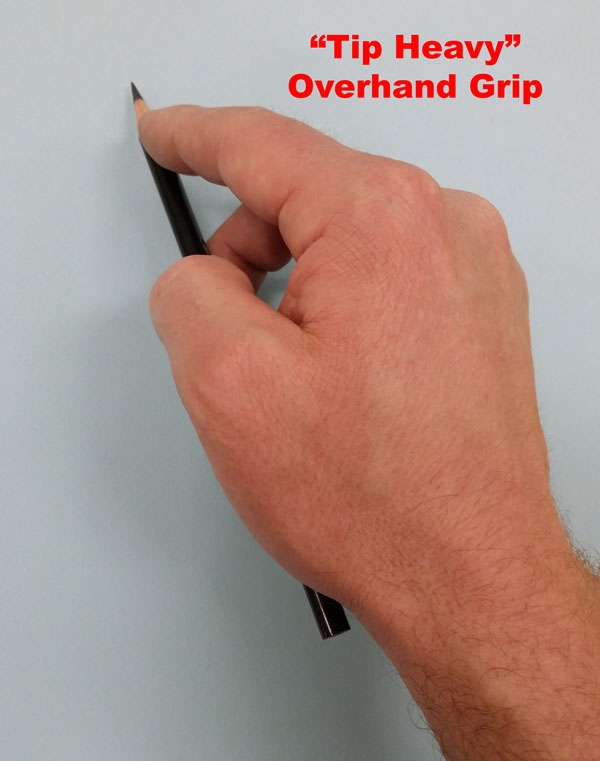
The Mechanics of a Perfect Grip: Understanding Hand Strength and Control
Understanding the mechanics of a perfect grip begins with an appreciation for the fundamental role that hand strength and control play in our daily tasks. A strong grip not only enhances performance in various activities, such as weight training and sports, but also supports overall hand functionality. Factors such as the muscles used, grip type, and hand positioning can all affect your grip strength. For optimal performance, focus on exercises that target both the fingers and the palms, as well as incorporating flexibility and coordination into your training routine.
Building hand strength and control requires a systematic approach. Here are some effective methods to enhance your grip:
- Strength Training: Incorporate activities like deadlifts and pull-ups into your workouts.
- Grip Exercises: Use grip trainers, stress balls, or therapeutic putty to increase finger and palm strength.
- Forearm Workouts: Focus on exercises that engage the forearms, which play a critical role in grip strength.
By understanding the dynamics of your hands and actively working to improve them, you’ll master the mechanics of a perfect grip and elevate your performance in numerous activities.
Counter-Strike is a popular first-person shooter game that has captivated millions of players around the world. It emphasizes teamwork, strategy, and skill, making it a favorite in the competitive gaming scene. Players can utilize a variety of tactics and weapons to defeat opponents in various maps. If you're looking to improve your gaming experience, check out the Top 10 One Hand Grips for iPhone to enhance your mobile gameplay.
How Different Gripping Techniques Affect Your Performance
Understanding how different gripping techniques impact your performance is crucial for athletes across various sports. The grip you choose can influence not only your control over equipment but also your overall strength and endurance. For instance, a power grip is often recommended for lifting heavy weights, allowing for maximal force generation by engaging more muscle groups. In contrast, a precision grip may be beneficial for sports that require fine motor skills, such as rock climbing or archery, where dexterity and control are paramount.
Moreover, the choice of grip can affect your body mechanics and posture during physical activities. A poor grip can lead to muscle imbalances and increase the risk of injury over time. It's essential to experiment with various techniques to identify which gripping technique offers you the best performance benefits. Here are some common grips to consider:
- Overhand Grip: Often used in weightlifting, this grip maximizes strength.
- Underhand Grip: Ideal for targeting specific muscle groups in certain exercises.
- Neutral Grip: Reduces stress on the joints and can be easier on the wrists.
What Are the Key Factors That Influence Your Grip Strength?
Grip strength is a crucial physical attribute that can affect various activities, from sports performance to daily tasks. Several key factors influence grip strength, including muscle mass, age, and training methods. Specifically, as individuals age, they tend to lose muscle mass, which may decrease grip strength. Additionally, engaging in regular strength training can significantly enhance grip strength by targeting the muscles involved in gripping, such as the forearm and hand muscles.
Another important factor is nutrition, as the body requires adequate nutrients to support muscle function and recovery. For example, deficiencies in protein or specific vitamins can hinder muscle development and overall strength. Moreover, overall health plays a vital role; conditions such as arthritis or neurological disorders may negatively impact grip strength. To improve grip strength, it's essential to incorporate a well-rounded approach, focusing on exercise, nutrition, and maintaining good health.