Uncovering the Hidden Features of Your TV Remote: A Comprehensive Guide
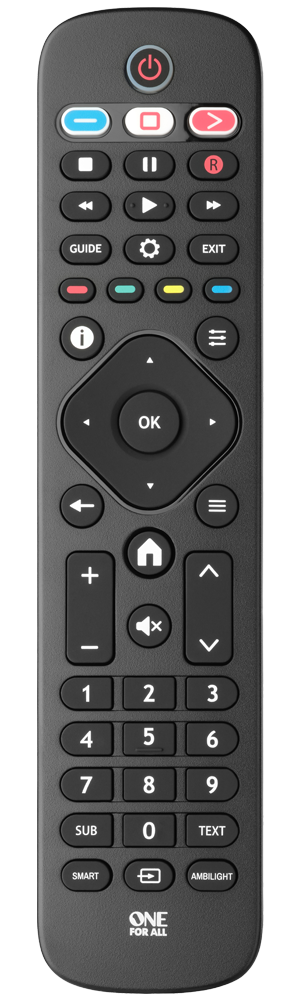
When was the last time you examined every button on your TV remote? Most viewers are only familiar with basic controls like power, volume, and channel selection. However, many remotes come equipped with hidden features that can enhance your viewing experience. For instance, the sleep timer feature is a great way to avoid accidentally falling asleep during your favorite show. Without needing to struggle to find the timer on your TV, simply pressing the sleep button can schedule your device to turn off after a set time.
Another hidden gem is the interactive guide, which allows you to browse through programming options easily. If your TV remote has a colored button layout, often these buttons provide shortcuts to specialized features. For example, the green button might lead to on-demand content, while the red button could grant access to interactive games or voting features during certain shows. Exploring these buttons not only saves time but also opens up a world of entertainment opportunities right at your fingertips.
Counter-Strike is a popular tactical shooter game that has captivated players around the world since its release. Known for its team-based gameplay and strategic elements, it requires players to work together to complete objectives and eliminate the opposing team. If you're looking for the best gaming setup, check out our guide on the Top 10 apple tv remotes to enhance your gaming experience.
The Evolution of TV Remotes: From Clickers to Smart Devices
The history of TV remotes dates back to the early 1950s, when the first remote control device, known as the 'clicker,' was introduced by Zenith Electronics. This simple contraption allowed users to switch channels and adjust the volume without leaving their seats, an innovation that transformed the viewing experience. Over the decades, remote controls evolved significantly, adding features such as infrared technology, which enabled a more robust communication between the remote and the television. As televisions became more sophisticated, so did the remotes, leading to the introduction of devices with more buttons, allowing users to navigate through an increasing number of channels and functions with ease.
Today, the evolution of TV remotes has reached new heights with the advent of smart devices. Modern remotes now feature touchscreens, voice control, and integration with smart home systems, bringing a level of convenience that was unimaginable just a few decades ago. For instance, remotes paired with smart TVs can control not just the television but also connected devices like streaming media players, gaming consoles, and even smart lights. This evolution has not only improved user experience but has also set the stage for a future where traditional remotes may become obsolete, replaced by applications on smartphones and tablets that offer even greater functionality and accessibility.
What Happens When You Lose Your Remote? Exploring Alternative Control Methods
When you lose your remote control, the frustration can be palpable. Suddenly, the convenience of switching channels or adjusting volume at your fingertips vanishes, leaving you scrambling for alternatives. One common control method is the good old-fashioned method of manual operation: pressing the buttons on the device itself. Many modern televisions also come equipped with smartphone compatibility, allowing you to download a dedicated app that essentially transforms your phone into a remote. This can be a lifesaver not only in emergencies but also for a more integrated viewing experience.
If those solutions don't suit your needs, there are other innovative options available to explore. Voice-activated systems like Amazon Alexa or Google Assistant can control your TV and smart devices without the use of a physical remote. These technologies utilize voice commands to manage settings, search for shows, or even play specific content. Thus, losing your remote might just be the catalyst you need to explore more modern, connected alternatives to traditional viewing habits.