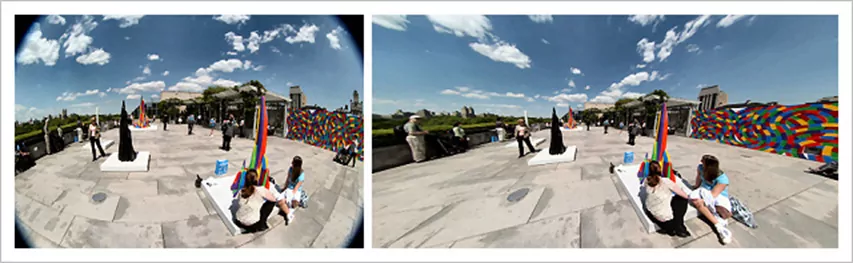
5 Tips for Mastering Wide-Angle Photography
Wide-angle photography is an exhilarating way to capture expansive landscapes and intimate interiors in a dynamic manner. To master this art form, it’s essential to understand how to compose your shots effectively. Start by keeping your main subject closer to the lens while allowing the background to recede into the distance; this will create a sense of depth and perspective. Additionally, utilize leading lines, such as roads or rivers, to draw the viewer’s eye through the photograph. Experimenting with different angles and heights can also result in unique compositions that stand out.
Another key tip is to pay attention to distortion—a common occurrence in wide-angle photography. While some distortion can add character to your images, it’s important to avoid excessive bending of lines, especially in architectural shots. Use your camera's grid feature to help keep vertical lines straight. Lastly, consider the time of day; shooting during the golden hour can enhance your images with warm, soft light that beautifully illuminates wide spaces. By following these tips, you’ll be well on your way to capturing stunning wide-angle photographs that draw viewers in.
Counter-Strike is a highly popular multiplayer first-person shooter game where teams of terrorists and counter-terrorists compete to complete objectives or eliminate each other. Players can enhance their gaming experience with various accessories, such as those found in the Top 10 iphone camera accessories, which can help for streaming or capturing gameplay on the go.
Why Wide-Angle Lenses Are Essential for Landscape Photography
When it comes to landscape photography, wide-angle lenses are crucial for capturing the expansive beauty of nature. These lenses allow photographers to include more of the scene in their frame, which is essential for portraying the grandeur of mountains, valleys, and vast skies. With a wide field of view, you can emphasize the foreground while still including the breathtaking background, creating a sense of depth and scale that narrower lenses simply can't achieve. This ability to capture a broader perspective is what makes wide-angle lenses a favorite among landscape photographers.
Additionally, wide-angle lenses can enhance the composition of your photos by providing unique perspectives and interesting lines that draw the viewer's eye through the image. Using techniques like leading lines and dramatic foreground elements can transform a simple landscape into a captivating visual story. Moreover, these lenses are typically faster and more versatile in varying lighting conditions, ensuring that you won’t miss those fleeting moments during golden hours. In summary, if you're serious about landscape photography, investing in a high-quality wide-angle lens is essential for maximizing your creative potential.
How to Choose the Right Wide-Angle Lens for Your Photography Style
Choosing the right wide-angle lens for your photography style can greatly enhance your creative expression, particularly in landscape and architectural photography. When selecting a lens, consider the focal length, as this will determine how wide the field of view will be. For example, a lens with a focal length of 10-18mm is ideal for capturing expansive landscapes, while a 16-35mm lens offers versatility for both indoor and outdoor shooting. Additionally, pay attention to the maximum aperture; lenses with a larger aperture (f/2.8 or lower) are better for low-light conditions, enabling you to capture sharp images without needing a flash.
Another important factor is the lens' distortion characteristics. Many wide-angle lenses can introduce noticeable distortion, which might not suit every style. If your goal is to achieve true-to-life images, look for lenses with minimal distortion and good optical correction. Additionally, consider the build quality and compatibility with your camera system. Testing the lens with your camera body before purchase can provide insight into its performance and suitability for your photography style. Remember, the right choice not only depends on specifications, but also on how the lens aligns with your personal creative vision.